

thrift month: not everything secondhand is thrifted
+ my tips for thrifting

I’m not someone with a lot of hobbies. If pressed, I’d say I read and do jigsaw puzzles, but if I’m being honest, my free time has always been pretty focused around clothes: gathering inspiration, looking for them, styling them. My true hobby is thrifting. I love the anticipation, the possibility of finding something magical, things that no one else will have, the gentle impact it has on my budget, and the big impact it has on consumerism.

However, as we get going on Thrift Month™️, I just want to clear up one thing.
There’s a difference between something that’s thrifted and something that’s purchased secondhand.
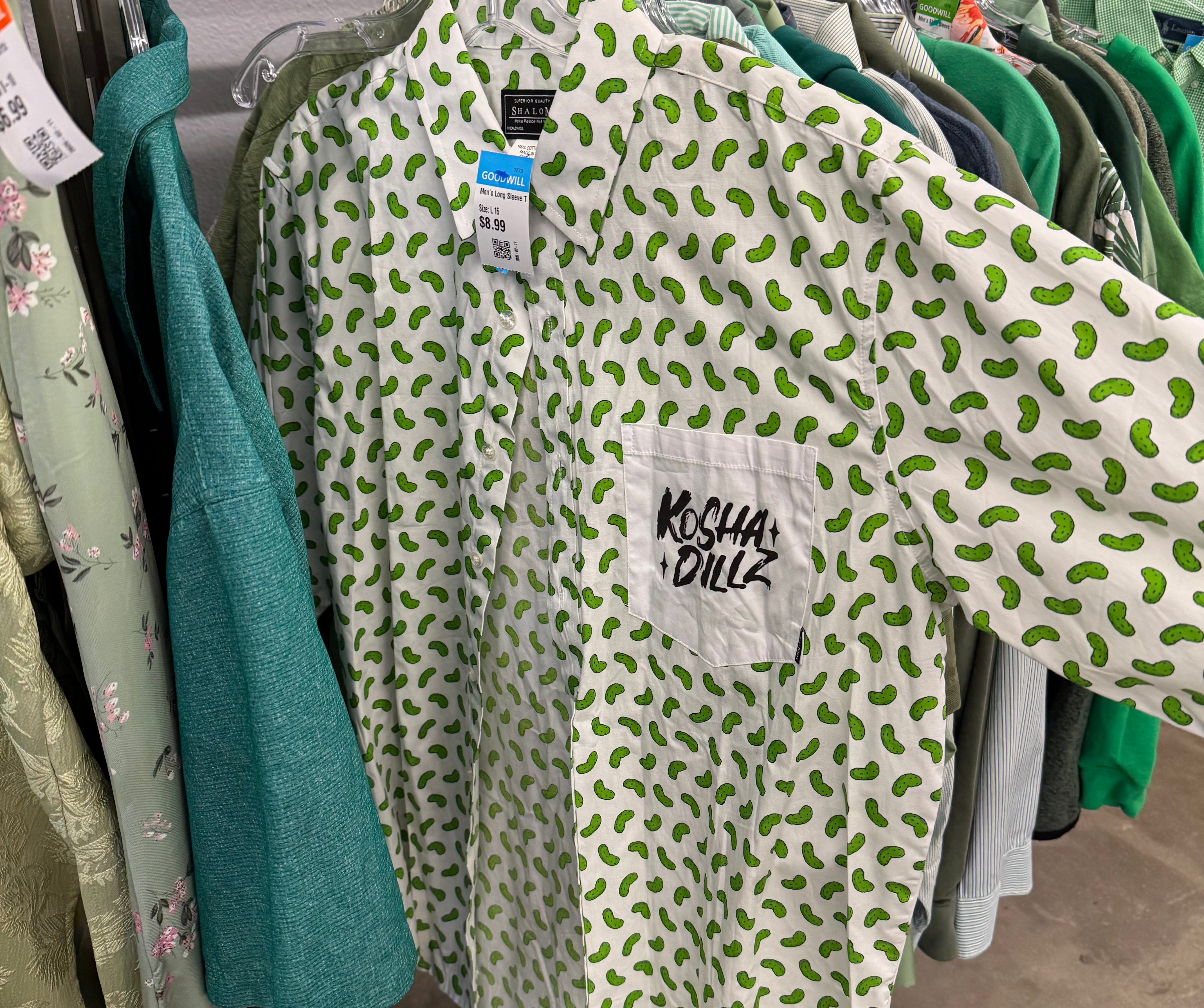
It might seem a petty distinction to make, and it’s not a huge deal, but the key difference here is in curation. A thrift store takes donations of all kinds and puts them directly in their store. Other than actual trash, very little is sorted or considered. It all goes in the store1. It’s up to the buyer to comb through the random selection to find treasures. This treasure hunting takes time and effort and the ability to see a diamond in the rough and sometimes protective gloves (I’ll share about outlet thrift stores another day).
In contrast, I call secondhand anything that has been previously purchased or worn and has been deliberately chosen to resell. For instance, Plato’s Closet is not a thrift store, it’s a secondhand store. People bring in a pile of clothes to sell and the store chooses which items to buy and put on the racks. Designer consignment stores are the same.2 With secondhand shopping, someone else has done the curation for you.
Based on this distinction, there are no online resale sites that are thrift stores. On sites like eBay, Depop, and Poshmark, someone made a decision to list every item. The sifting through happens before the items get listed online (often at thrift stores). The site ThredUp positioned itself as an online thrift store early in their marketing, but rarely uses that phrase today. Like these other sites, the items sent to them are filtered and sorted and only the “good” stuff is listed (if you’ve ever sent stuff to ThredUp to sell, you know that not all of it is selected). On all of these sites, you can search for a specific item or a specific category of items instead of just seeing what happens to be there that day.
To be clear, there is no moral superiority or bragging rights gained in shopping thrift stores instead of secondhand (and often, people aren’t able to shop in thrift stores because of neurodivergence, ability, or size range. I see y’all). They’re just different. There is also a lot of skill involved in finding treasures on eBay or other sites. And actually, more of my clothes are secondhand than thrifted, since I am often looking for specific items.
But I love how honestly Abbey 🪿🪿🪿 puts it here:
Let’s be real: when 85% of people thrift because they have to, calling The RealReal or Depop “thrifting” can feel like povertylarping to me. It glosses over the time, effort, grit and ingenuity that actual thrifting demands. So yes, shop online, flip the pages of Poshmark, snag that Grailed find—just don’t call it thrifting (to my face at least) when the word secondhand works just fine.
So, just to recap: thrifted clothing is secondhand, but not everything that’s secondhand was thrifted. Thanks for coming to my TED talk.

Stay tuned for upcoming articles about how to be able to tell if an item is good quality, tips from other obsessive Substack thrifters, whether you can overconsume thrifted items, and how to plan a thrifting trip with your bestie. Subscribe (for free!) to make sure you get those in your inbox.
What are your thoughts? Am I being too picky about the terminology?