

every time I stepped in front of the mirror, I asked myself, “does this outfit make me look fat?”
style story: chrissy king

Hi! Don’t click away because this post says “paid”! Chrissy’s full interview is free, just her clothing recommendations are paywalled at the very end. Also, there are lots of lovely photos, so make sure to click through from email to get the full impact!
This is style stories, an interview series where I ask guests about their relationship to clothes over the course of their life and how external influences have shaped it. I focus on the ways that women are able to reject societal expectations on what they should wear. Every guest answers the same questions.
It feels like I’ve followed Chrissy King for years and years, but if I’m being honest, I probably found her during the black square era on Instagram following the murder of George Floyd. SInce then, I’ve learned so much from her, and am referring to her book The Body Liberation Project often as I work on my own book. Among other things, it’s been helpful to study the way she defines and distinguishes between the various terms used in the anti-diet sphere (body positivity, body neutrality, body liberation, body acceptance, etc). Of course, it’s always fascinating to see how the people who are active in the body liberation movement get themselves dressed, so I was so excited to get her on style stories!
Please enjoy!
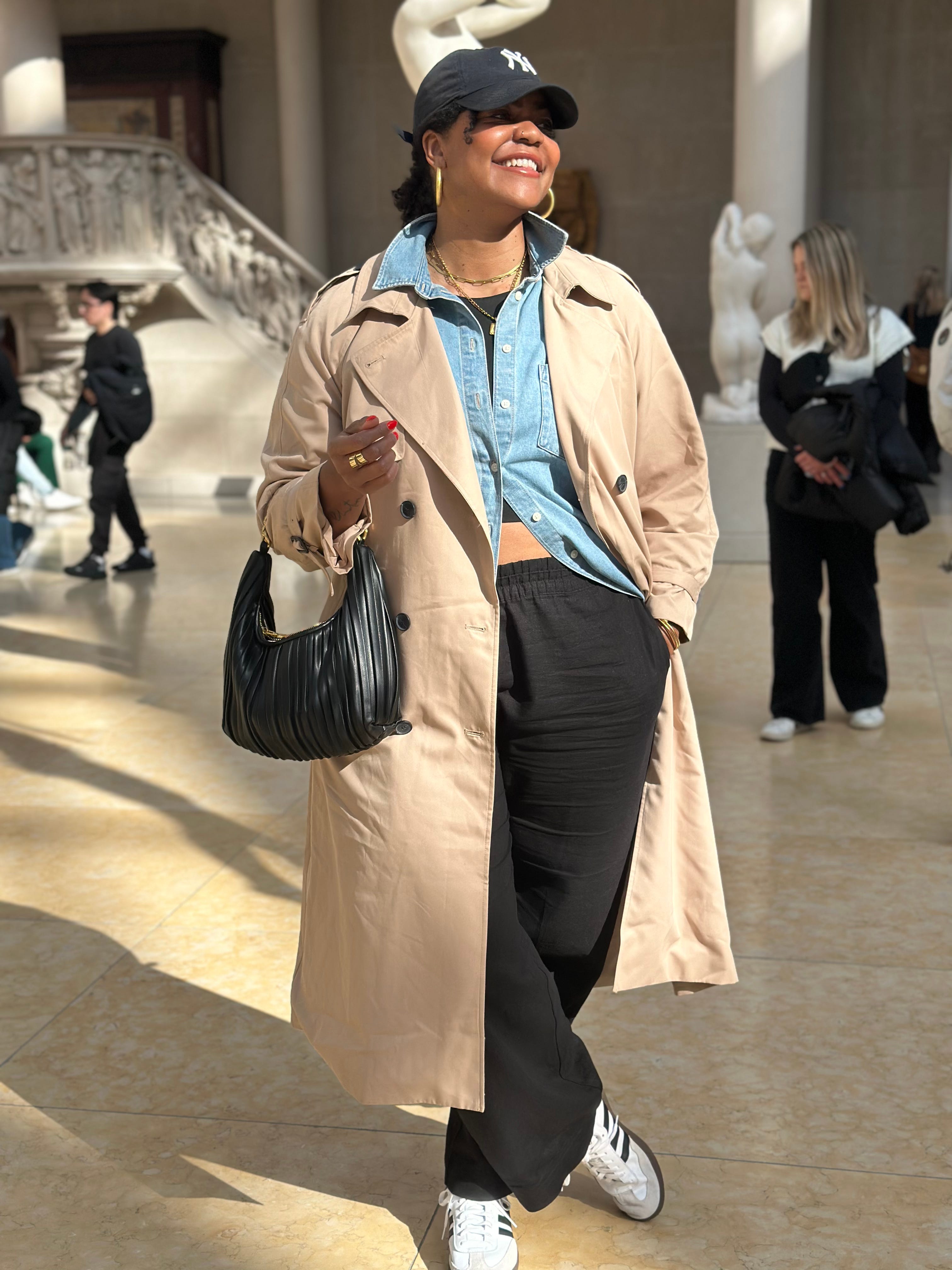
Q: Introduce yourself, your pronouns, your work, and how you spend your time.
A: I’m Chrissy King, a Brooklyn based writer and speaker, with work focused on body liberation, anti-diet culture, and intersectional feminism. In my free time, I enjoy reading (mostly fiction), taking long leisure walks, crocheting, reality tv (most recently, 90 Day Fiance), and spending time with my friends and community.
Q: What was your style like when you were a child?
A: My style as a child was a total tragedy. I can describe it as nothing else. I’m nearly 6 feet tall now, and I was already 5’8” in the third grade. I was taller than my teacher. I also had the unfortunate luck of attending a private, Christian school which required me to wear skirts to at least the middle of my knees each day. This might be obvious, but I wasn’t able to buy clothes at the Justice at my local mall. So my mom would take me to Dress Barn, a store for adult women. I basically went to school looking like a 12-year-old adult librarian. It was truly tragic.
Q: Growing up, what messages were you given about what you should or shouldn’t wear (and from whom or where do you think those messages came)?
A: I grew up in a very conservative home. I got so many messages about dressing modestly and “godly”. I was never allowed to wear 2 piece swimsuits. Cropped tops were a definite no and pretty much anything that wasn’t super modest was unacceptable. Almost all of this messaging came from my mom and being raised in church.
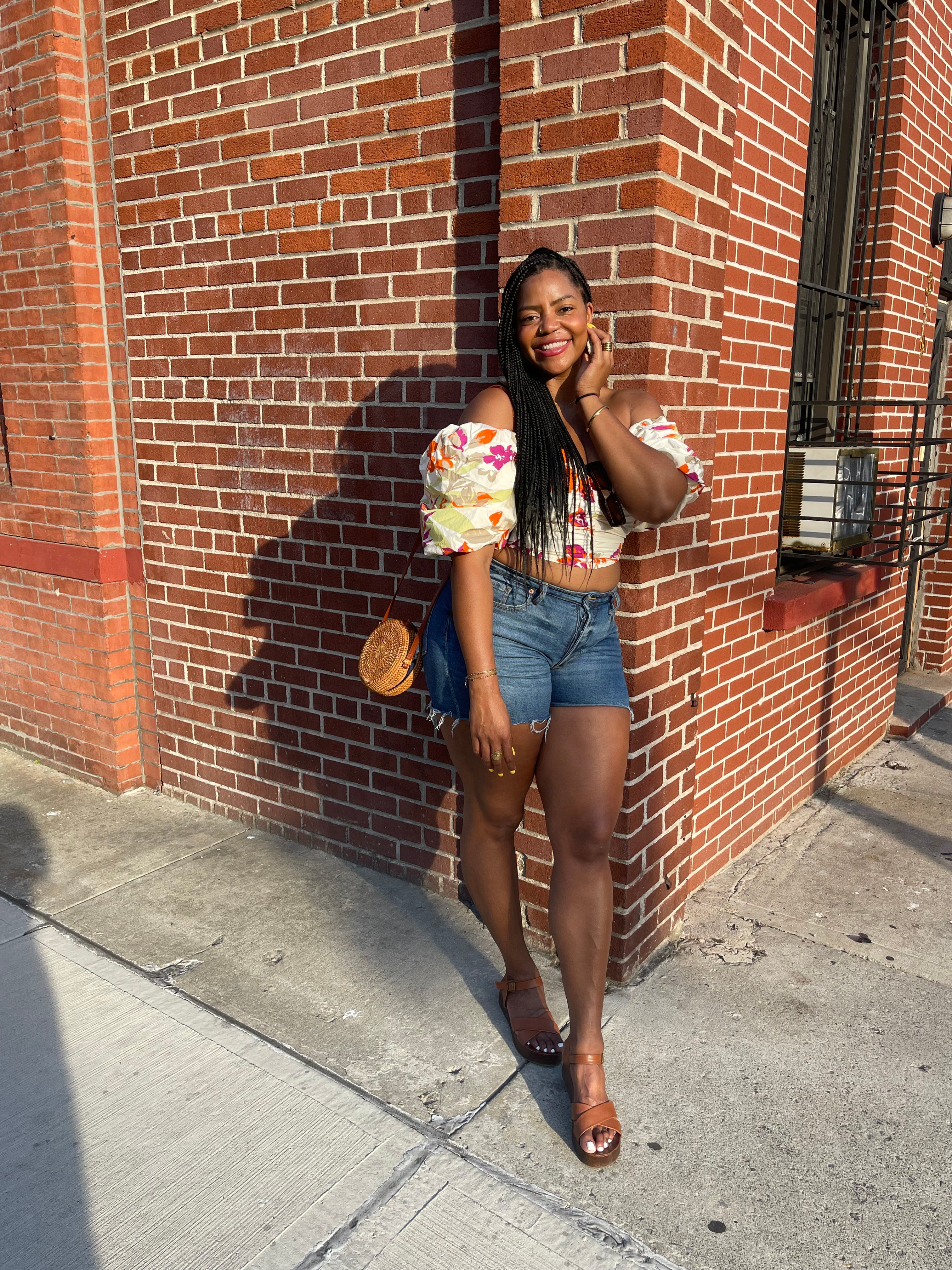
Q: How has your style evolved since you were younger and what phases have you gone through with your style (i.e. high school grunge phase, early working days business casual phase, etc)?
As I grew older and gained more autonomy, while also deconstructing religious programming in my life, my style evolved so much. In college, I lived in the dorms. I finally had my own money and the freedom to wear whatever I wanted without backlash or negative commentary, and as such, I entered my mini skirt and daisy duke era. I absolutely loved it. The shorter the better. I loved showing more skin, partly because I never had the freedom to do so before and also because I loved showing off my long legs. After I graduated and started working in a professional setting, I was obsessed with getting promoted at work so I typically dressed in business casual clothing even though my job didn’t require it. I felt like I wanted to dress for the position I wanted and eventually, I did get into a managerial position where business casual was required. A few years into that, I longed for the days when I could wear jeans again.
As I near 40, I describe my style as comfortable and chic. I love wearing outfits that I feel good in and are fashionable, but comfort is at the forefront. As of late, I’m craving looser fitting and flowy clothing, steering away from anything too tight or restrictive.
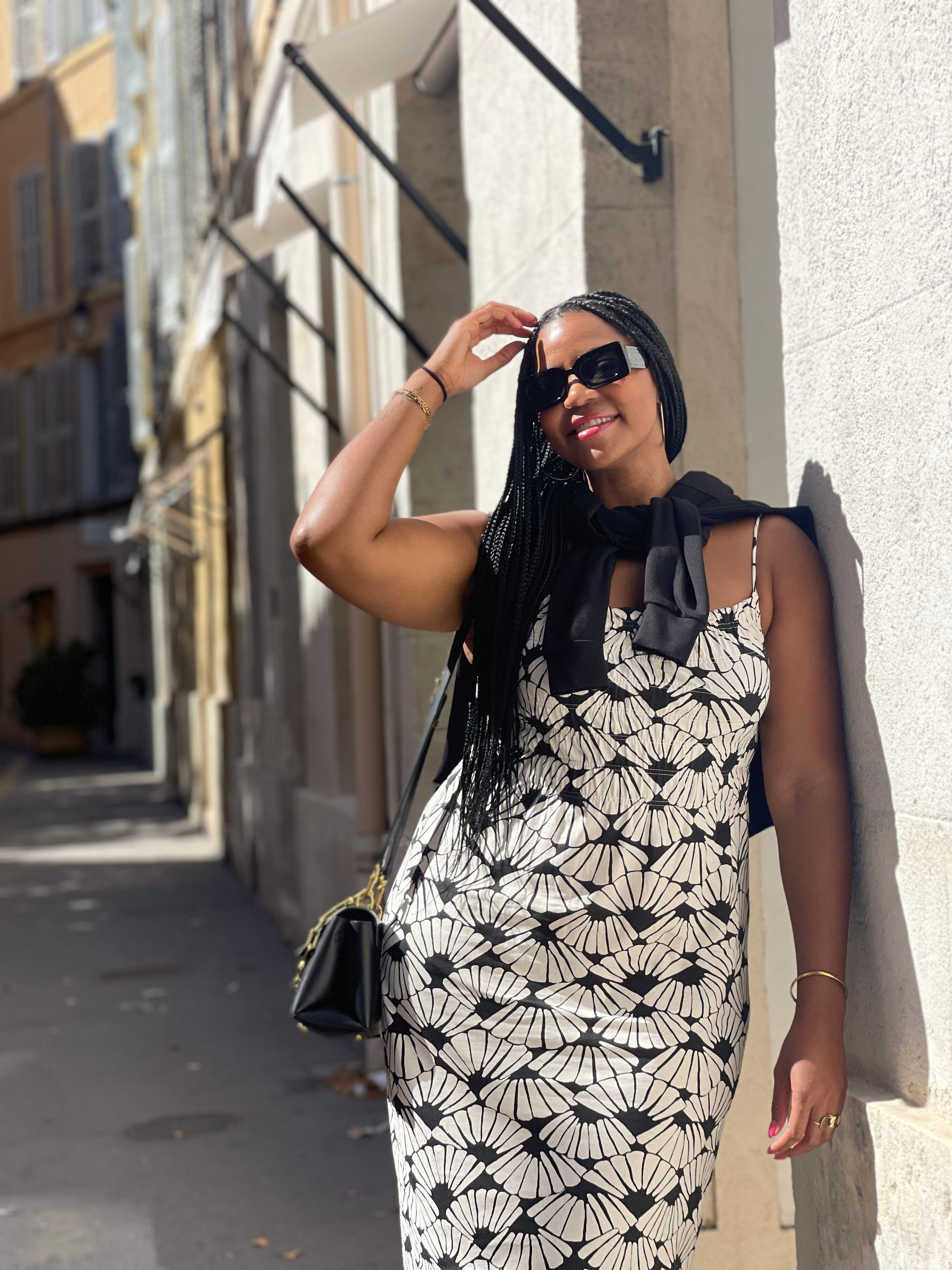
Q: How have external pressures to conform to the ideal standard of beauty and the thought of how others view you affected your style?
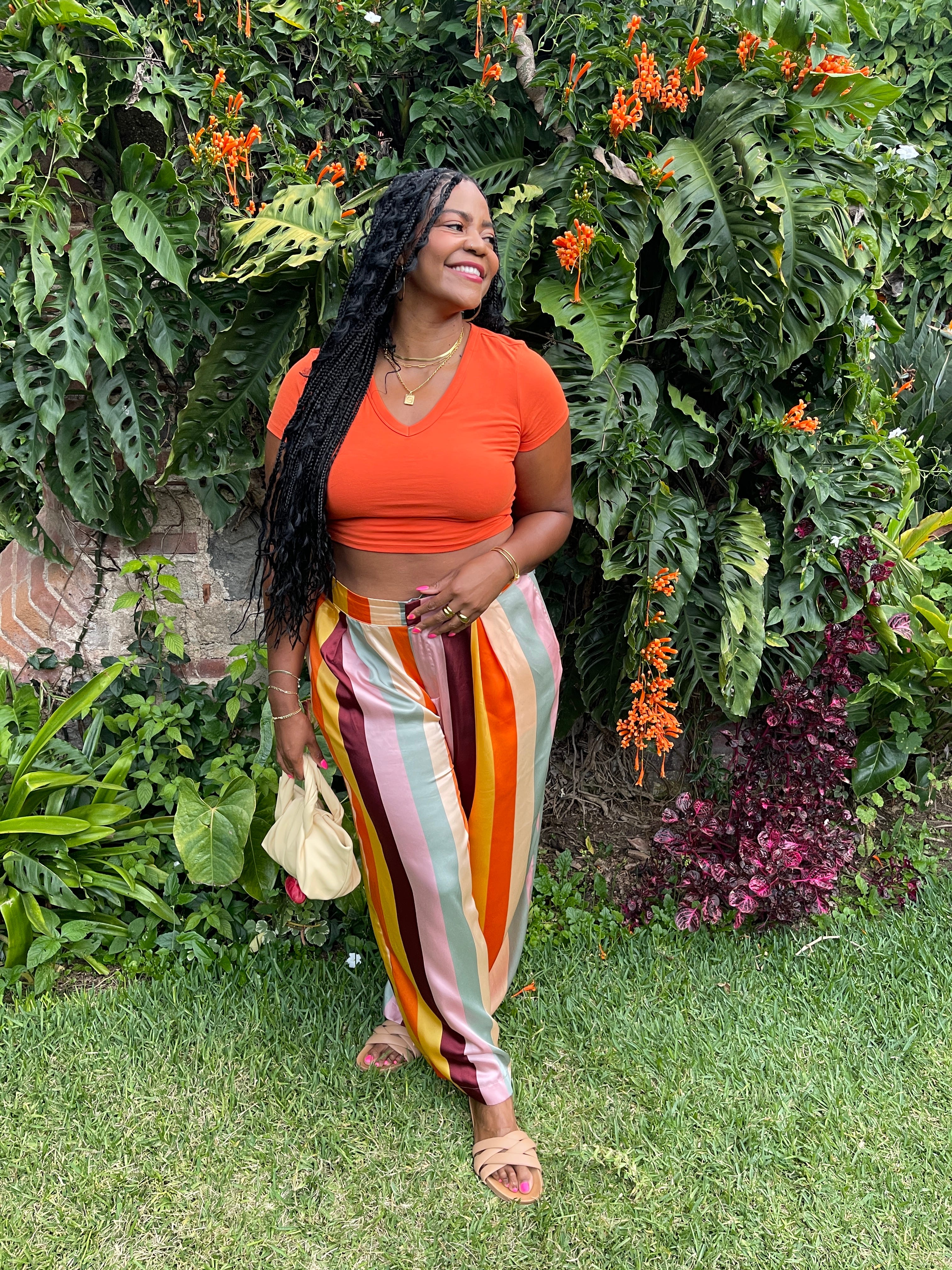
A: In the past when I was heavily struggling with body image, I spent a lot of energy trying to shop for clothes that were “flattering”. All the fashion blogs told me to avoid stripes because they would make me look “wider”. I stayed away from color, opting for black because it was supposedly “slimming”. When I was deep in diet culture and yo-yo dieting, my body was constantly changing. When I gained weight, I convinced myself I couldn’t wear crop tops or two pieces, instead covering as much skin as possible. I also grew up watching my mom wear body briefers and would stuff myself into those when I felt like I was looking too fluffy so that everything would look “smooth”, as if displaying a body with curves and bumps and rolls was a crime. Every time I stepped in front of the mirror, I asked myself, “Does this outfit make me look fat?”
I only allowed myself to truly wear the things I wanted and embrace my style when I felt like my body was thin enough. I was constantly worried about what other people might be thinking about my body. Was it too big? Was it too curvy? Was it attractive? Was I disguising the weight I’d gained? My style choices were almost exclusively based on the size of my body.
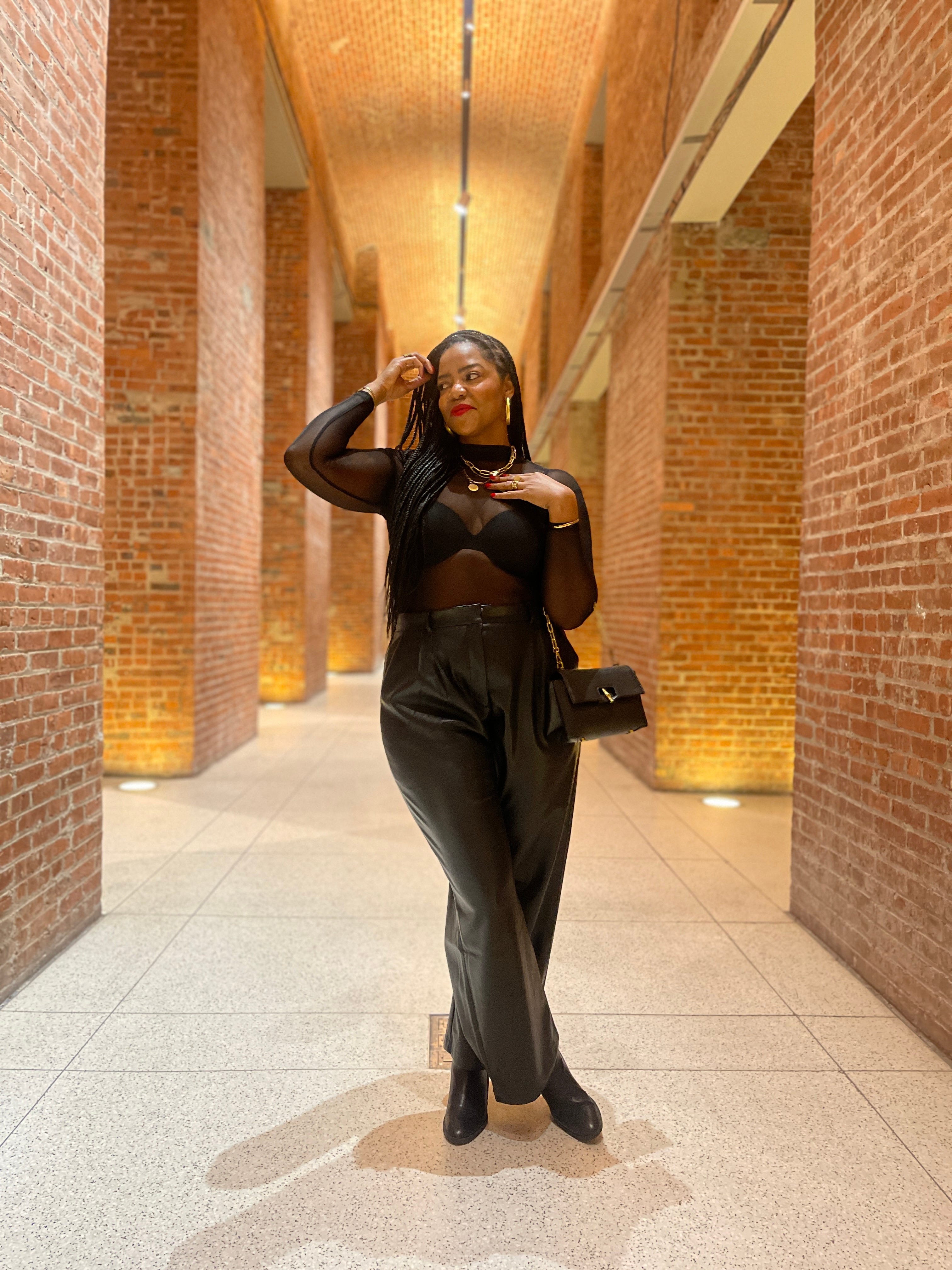
Over the years as I have healed my relationship with body image and moved towards liberation, I view my style as an expression of my personality and I could care less about what clothes look “flattering” or how others may perceive my body. I am solely concerned with how I feel in my clothes and if I like them.

Q: How have your sense of style and shopping habits shifted along with changes in your body?
A: As I’ve navigated changes in my body, I’ve leaned into vintage shopping and second hand shopping a lot more. One of my favorite things is shopping at people’s closet sales and there tends to be a lot of them here in Brooklyn. I tend to let go of things that don’t fit me well anymore but it feels better for the environment (and for my pockets) to shop from other people’s closets.
Q: What barriers do you encounter in trying to express your style? Are there any situations or spaces you feel your style prohibits you from accessing or gives you better access to?
A: From a very young age, I adopted “respectability politics”, even before I knew the verbiage. Respectability politics are defined as “a set of beliefs holding that conformity to prescribed mainstream standards of appearance and behavior will protect a person who is part of a marginalized group, especially a Black person, from prejudices and systemic injustices”. This goes back to even the way I dressed more “professionally” than required when I was trying to get promoted. I also felt like I had to appear to be an “exceptional” Black woman to get ahead. However, as I’m no longer working in corporate America, that pressure has dissipated substantially. Because now, gratefully self-employed, I don’t feel very many barriers to expressing my style.
Q: Do you have any style icons? Who are they?
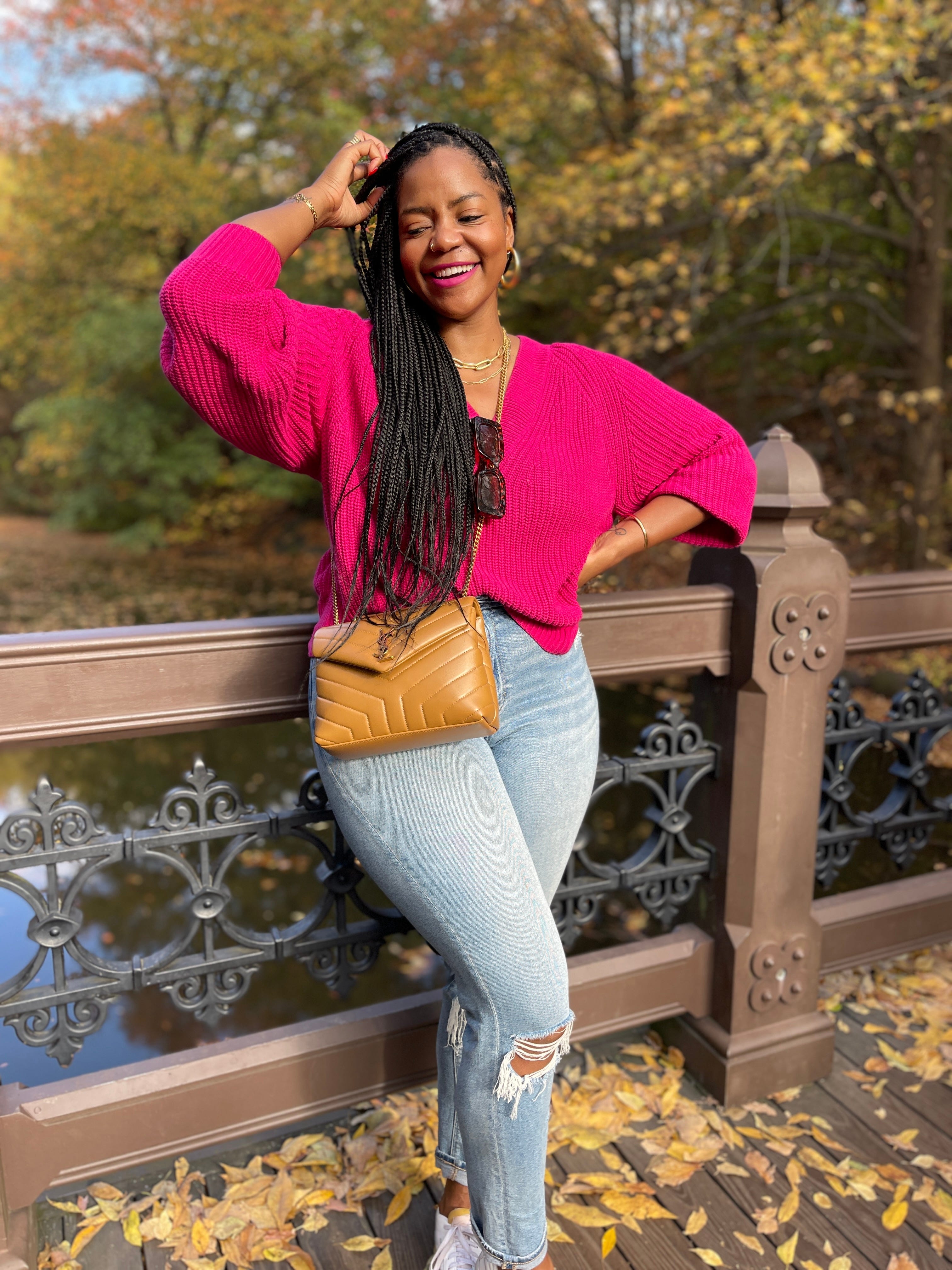
A: My style icon is Tracee Ellis Ross. I am obsessed with pretty much everything she wears. Her style is unique, chic, and timeless, all at the same time.
Q: How would you define your current relationship to clothes and style?
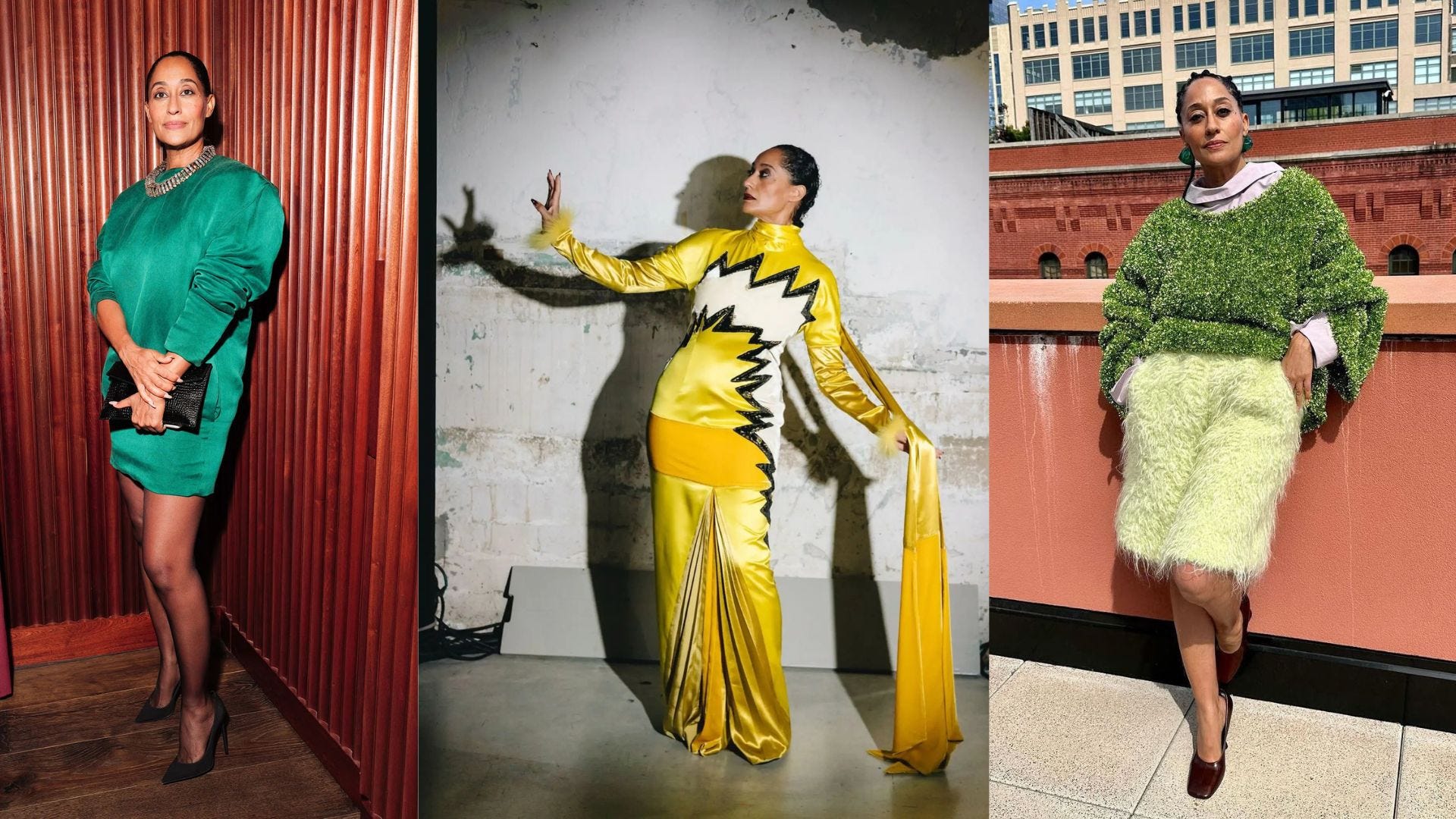
A: I view clothes and style as a form of expression. I allow myself to play with different looks without feeling like I have to follow any rules. Since I decided to stop dressing for the male gaze a few years ago, I feel more comfortable in my choices because I’m not concerned with what other people think of my choices, especially men. That might sound like a no brainer to some people but it has been so liberating for me.
Q: What makes your style authentic to who you are today?
A: My style is authentic to who I am today because I honor myself in my choices. I center what feels and looks good for me versus what other people think or say is “in style.” I live in Brooklyn and one of my favorite things about living here is that everyone has their own unique sense of style. There are no rules. People allow themselves to wear whatever they want and living here has broadened my own sense of fashion freedom.
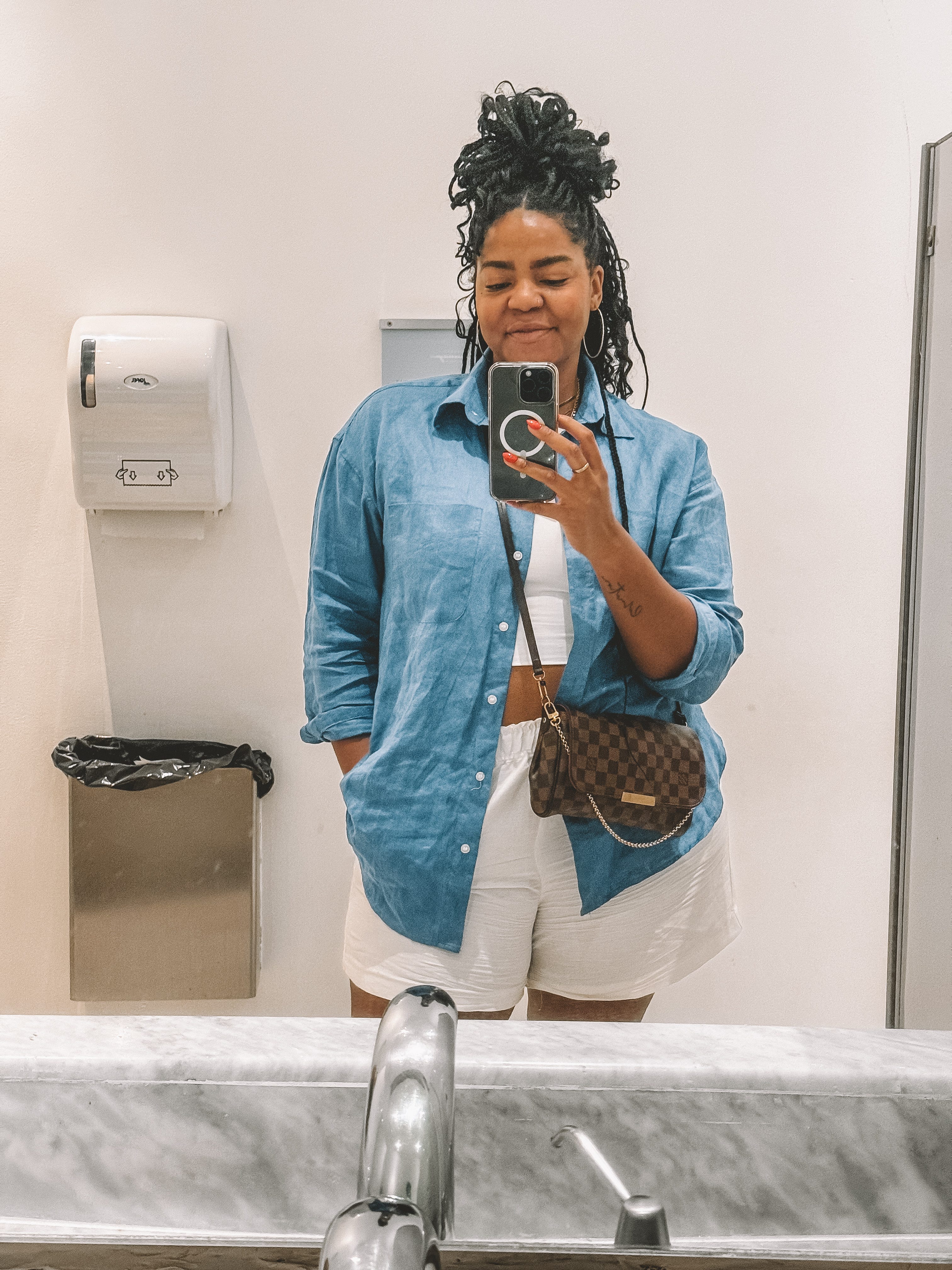
Q: Do you wear anything that’s conventionally considered unflattering?
A: I enjoy wearing oversized clothes and oftentimes that is considered “unflattering” for people who aren’t super thin. I’m not sure if that’s a widely held belief but regardless, it hasn’t stopped me.
Chrissy, thank you so much for sharing yourself and your writing with us! I’m sure many readers resonate with trying to follow fashion rule and evaluating each outfit to see if it somehow magically changed your body. I’m a big fan of reality TV as well, although my show of choice is Below Deck. Also, Brooklyn closet sales might be the final frontier for me in terms of secondhand shopping.
Go subscribe to Chrissy’s wonderful newsletter, The Liberation Collective, and follow her on Instagram here.
Here are style stories from Virginia Sole-Smith, Virgie Tovar, Jessica Defino, Erika Veurink, Shana Minei Spence, Bri Campos, Sushmita Šipraga, Emma Eisenberg and more.
Paid subscribers, read on for 3 of Chrissy’s favorite wardrobe items.
Q: Just for fun, what are 3 things in your wardrobe you’d recommend to others?
